
Research Overview
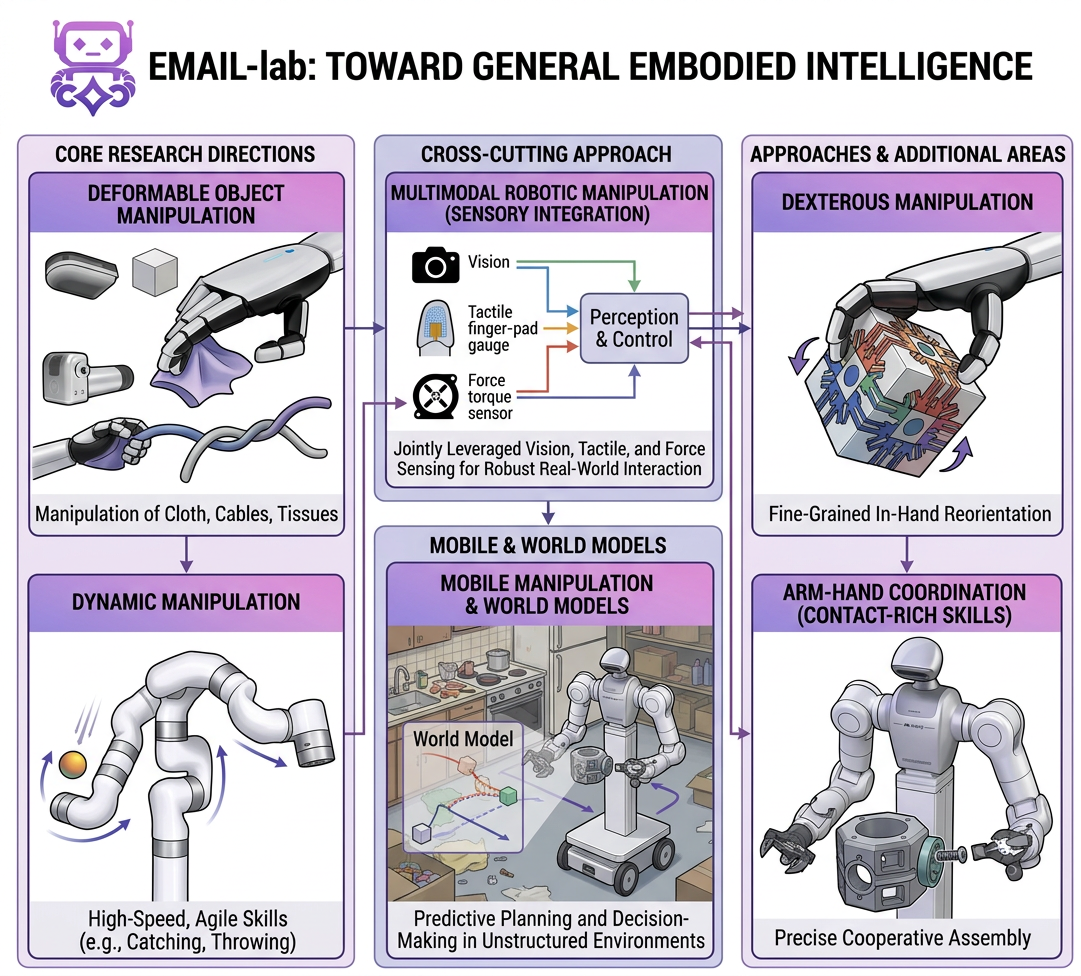
The GMI Lab is dedicated to research in general manipulation intelligence, with the goal of enabling robots to interact with the physical world in a more skillful, adaptive, and generalizable manner. Our work spans a set of core research directions, including deformable object manipulation, dynamic manipulation, and dexterous manipulation, as well as arm-hand coordination for complex contact-rich skills. We are particularly interested in multimodal robotic manipulation, where vision, tactile, and force sensing are jointly leveraged to improve perception, control, and robustness in real-world interaction.
In addition, we study mobile manipulation and world models for embodied agents, aiming to endow robotic systems with stronger capabilities in prediction, planning, and decision-making in complex and unstructured environments. By combining advances in perception, control, learning, and physical reasoning, the GMI Lab strives to push robotic manipulation toward more general intelligent autonomy.
Featured Demos
Highlights from our recent teleoperation and dexterous manipulation work.
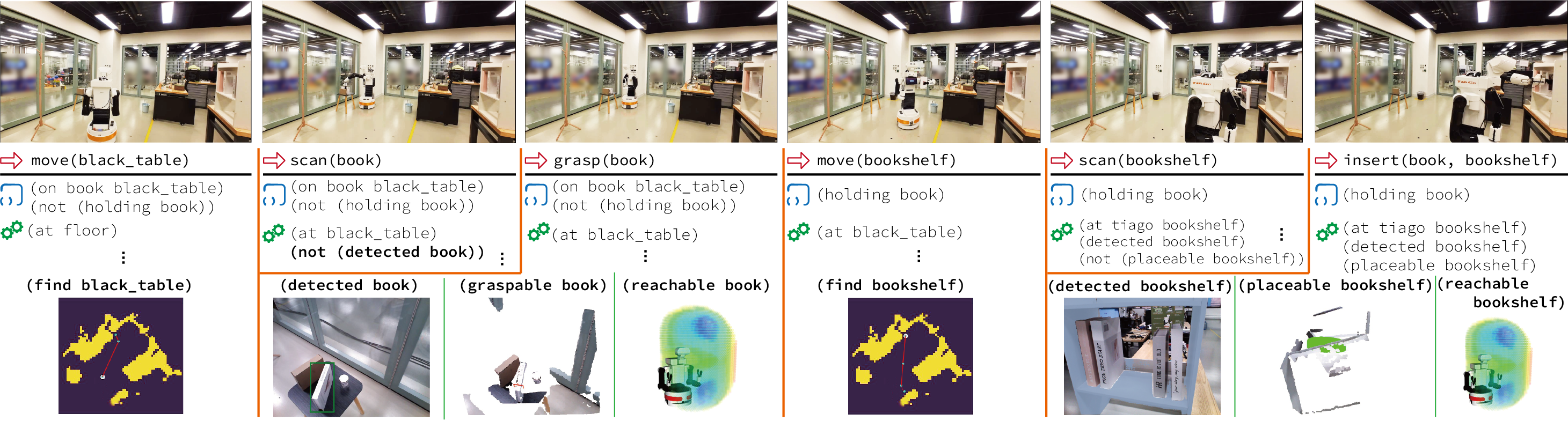
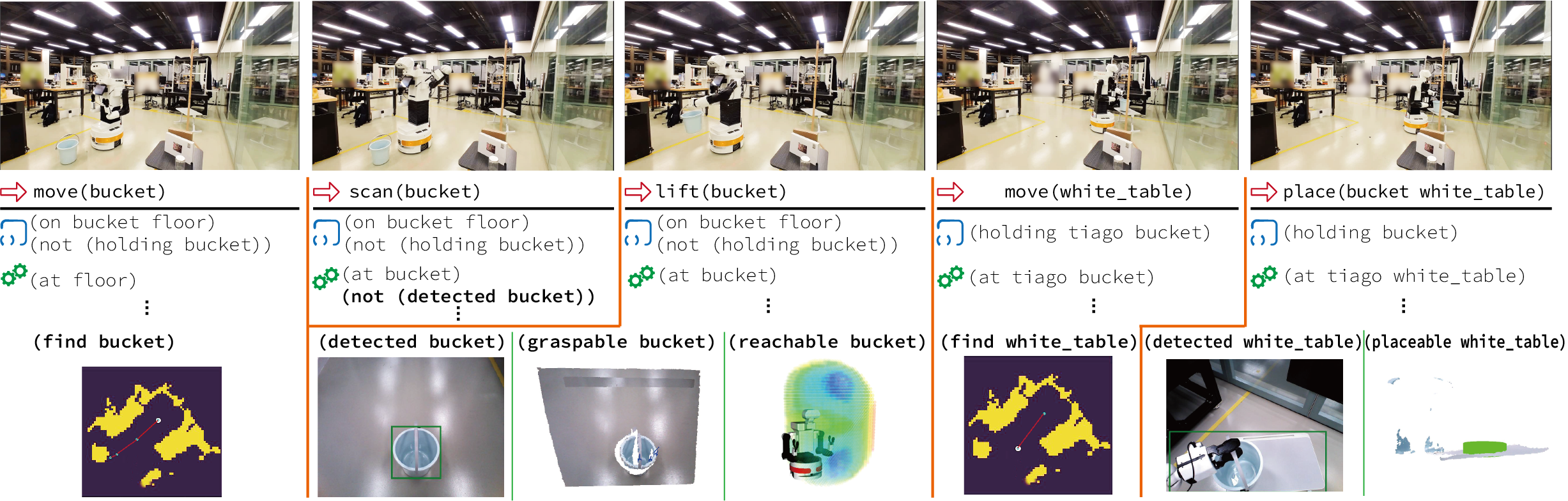
🥇 Champion Award-winning dexterous challenge runs using UniBiDex Teleoperation System for International Dexterity Challenge 2025.
Featured Research
Deformable object manipulation, multi-modal perception, and long-horizon autonomy.
Deformable Object Manipulation
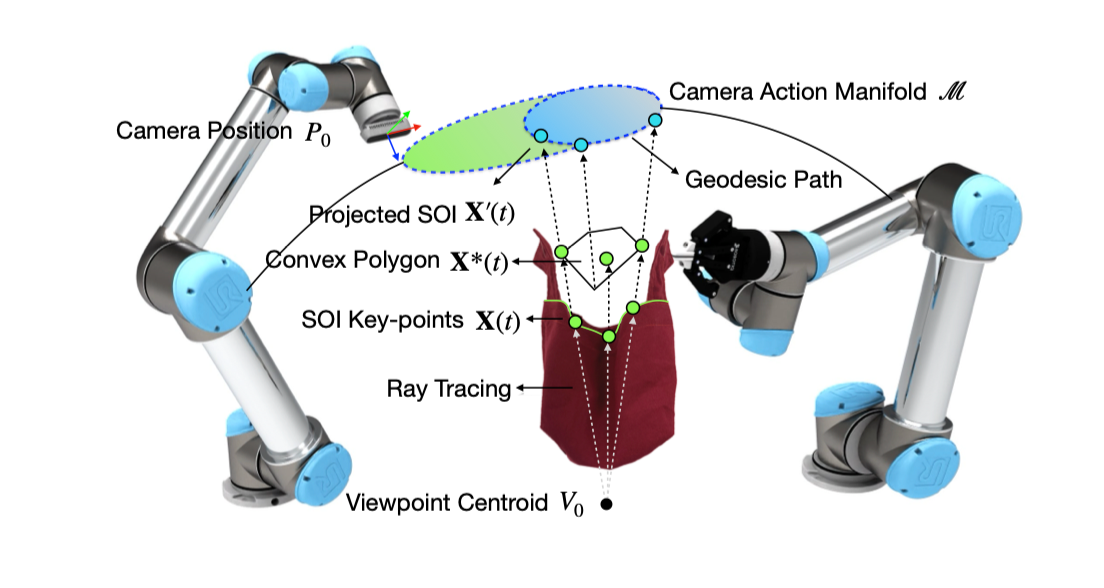
Learning and modeling for non-rigid materials (garments, bags, granular materials), including neural particle-based dynamics and interactive perception under contact.
Dexterous Manipulation
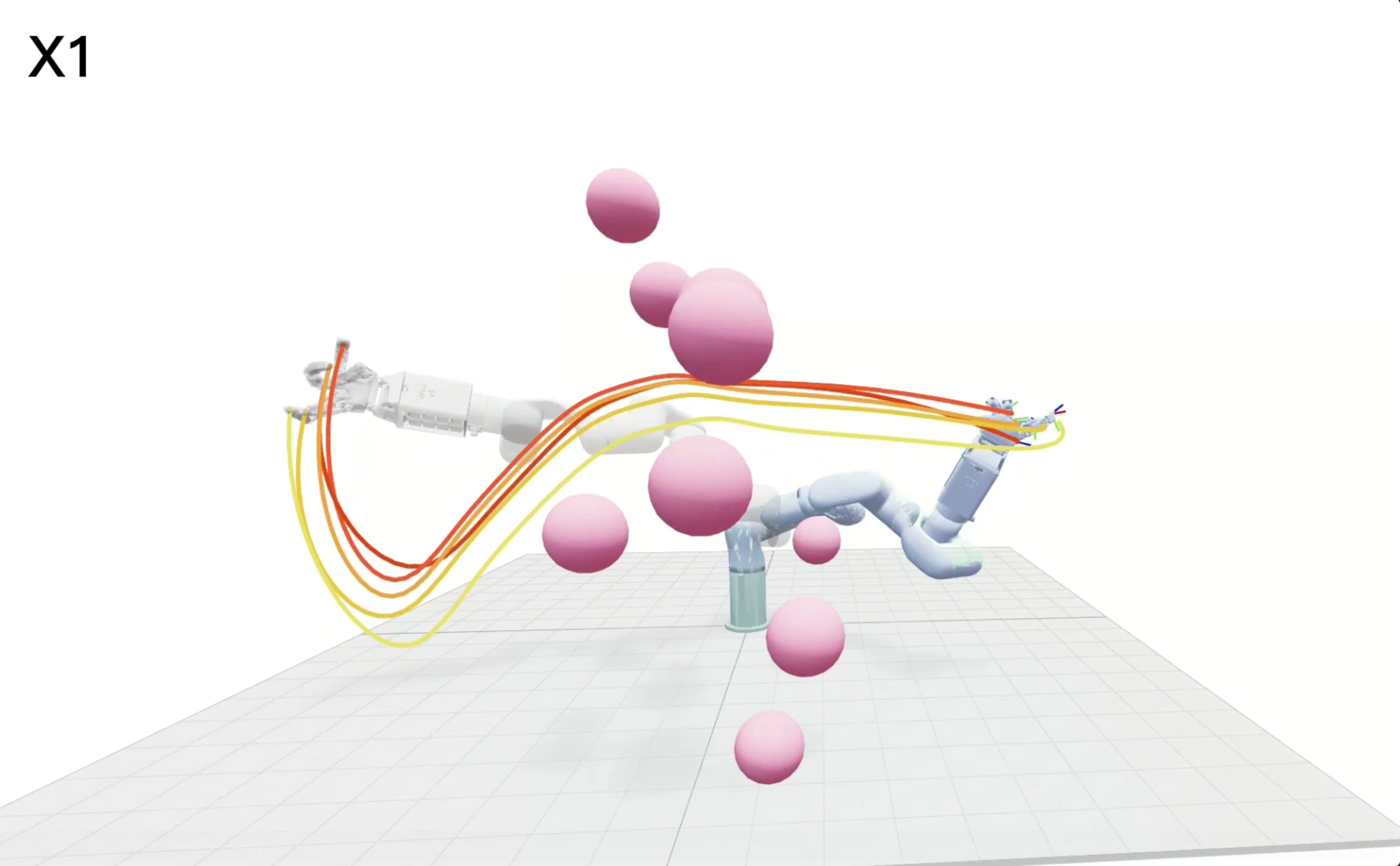
Perception and control that fuse vision with touch/force feedback to handle uncertainty, detect contact, and improve dexterity.
Task & Motion Planning
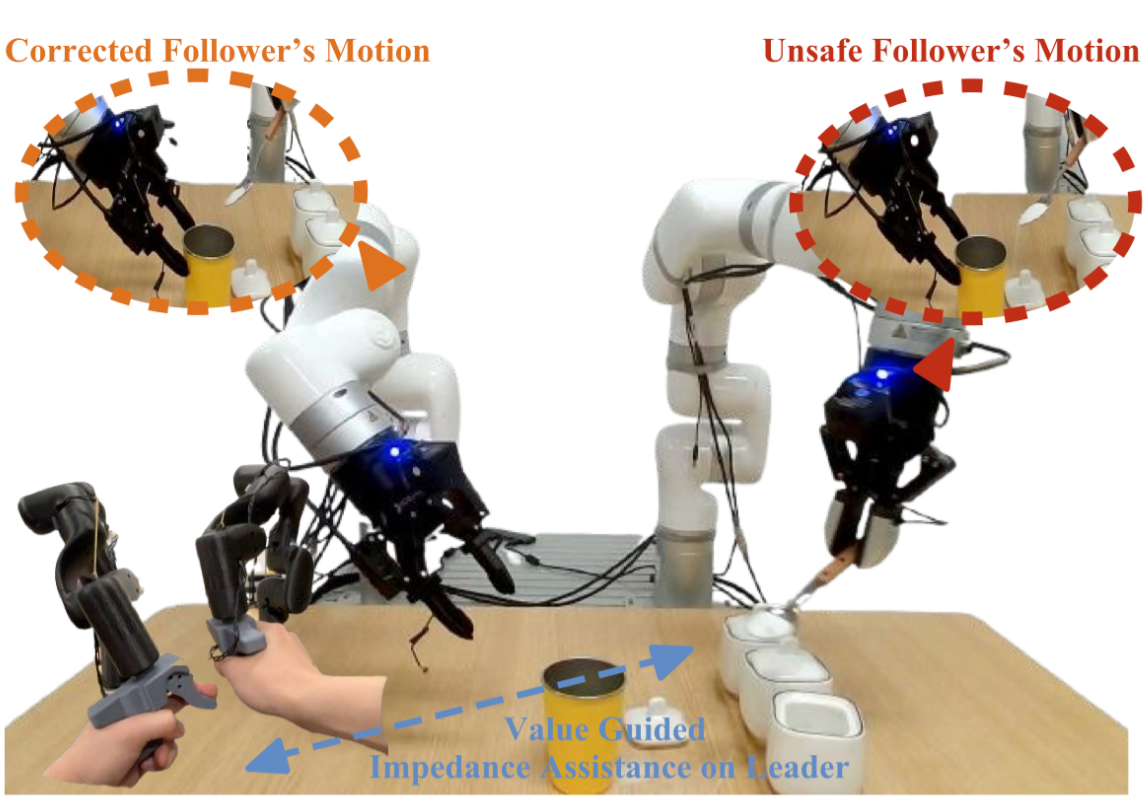
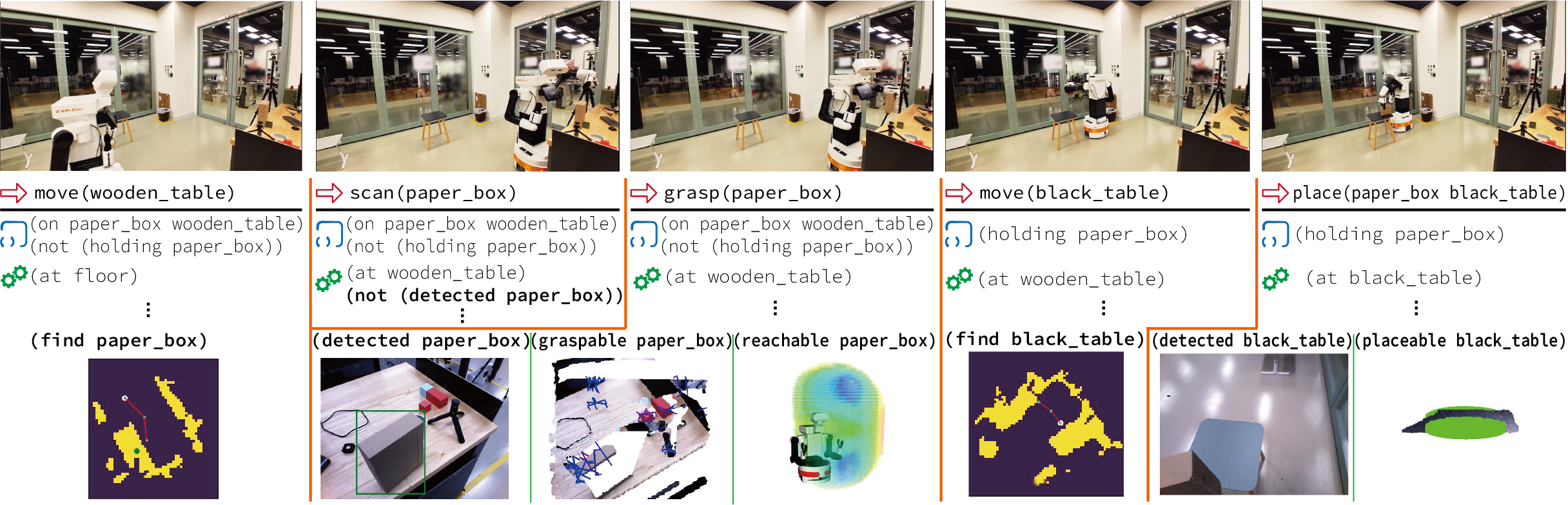
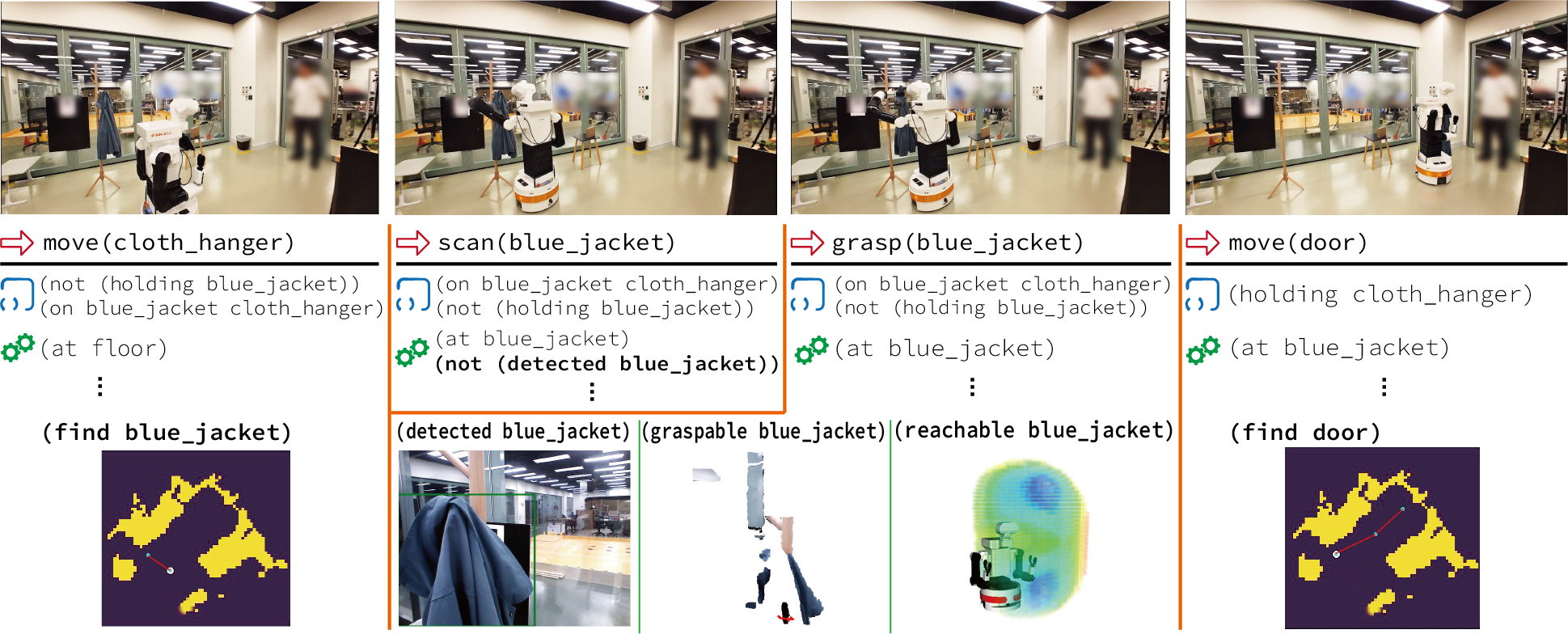
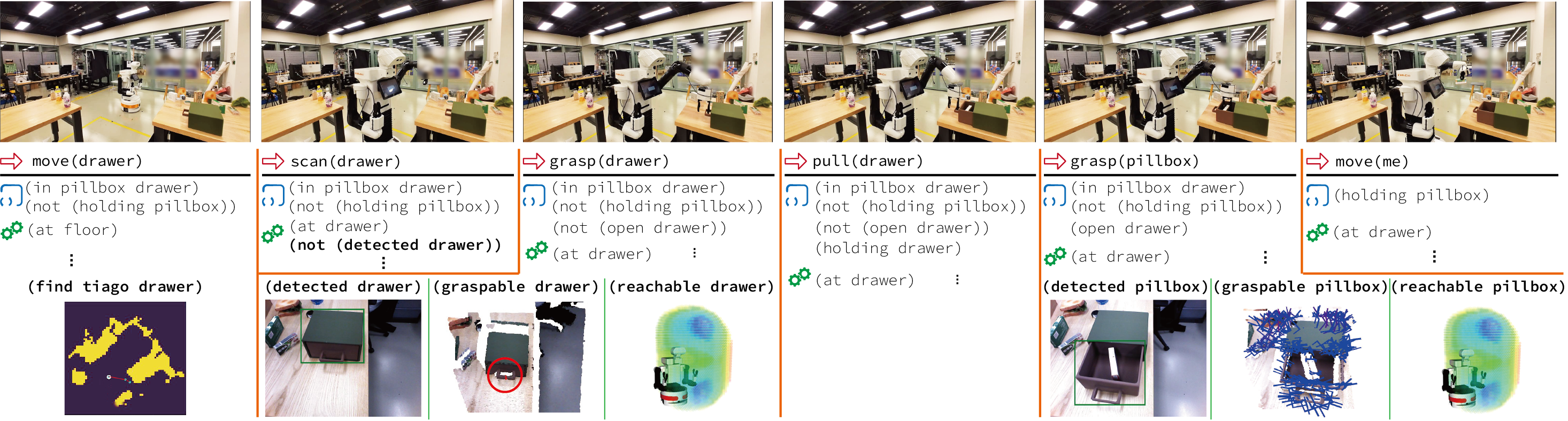
Planning for long-horizon manipulation, including subgoal reasoning under sparse rewards and contact-aware trajectories.